The legacy of great scientists born on Uzbek soil, their contribution to the development of science and culture is invaluable.
Uzbekistan has a rich and ancient history, formed as a center of science, trade, and culture along the Great Silk Road. The scientific heritage created by our ancestors is an important component of world civilization. Today, New Uzbekistan is moving towards sustainable development through democratic reforms, economic modernization, and consistent changes in the social sphere.
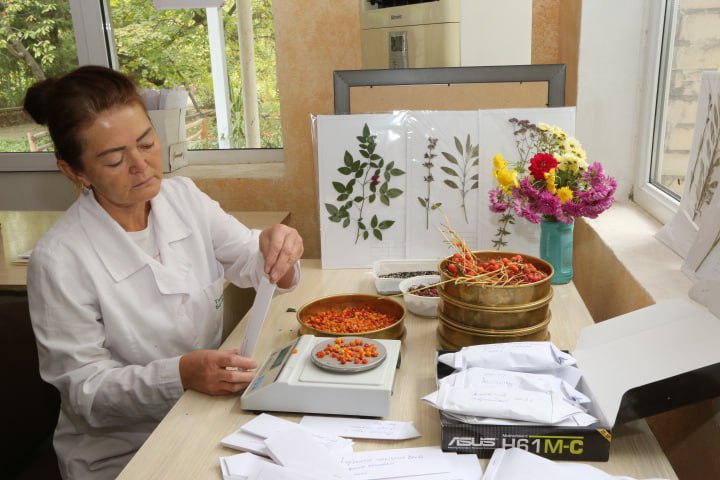
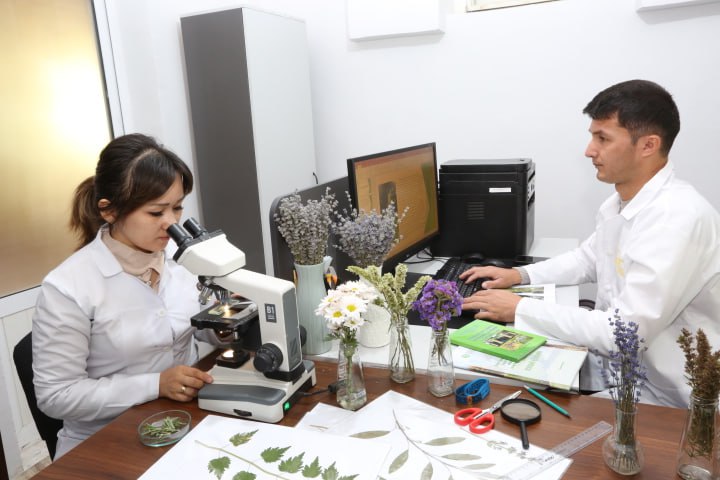
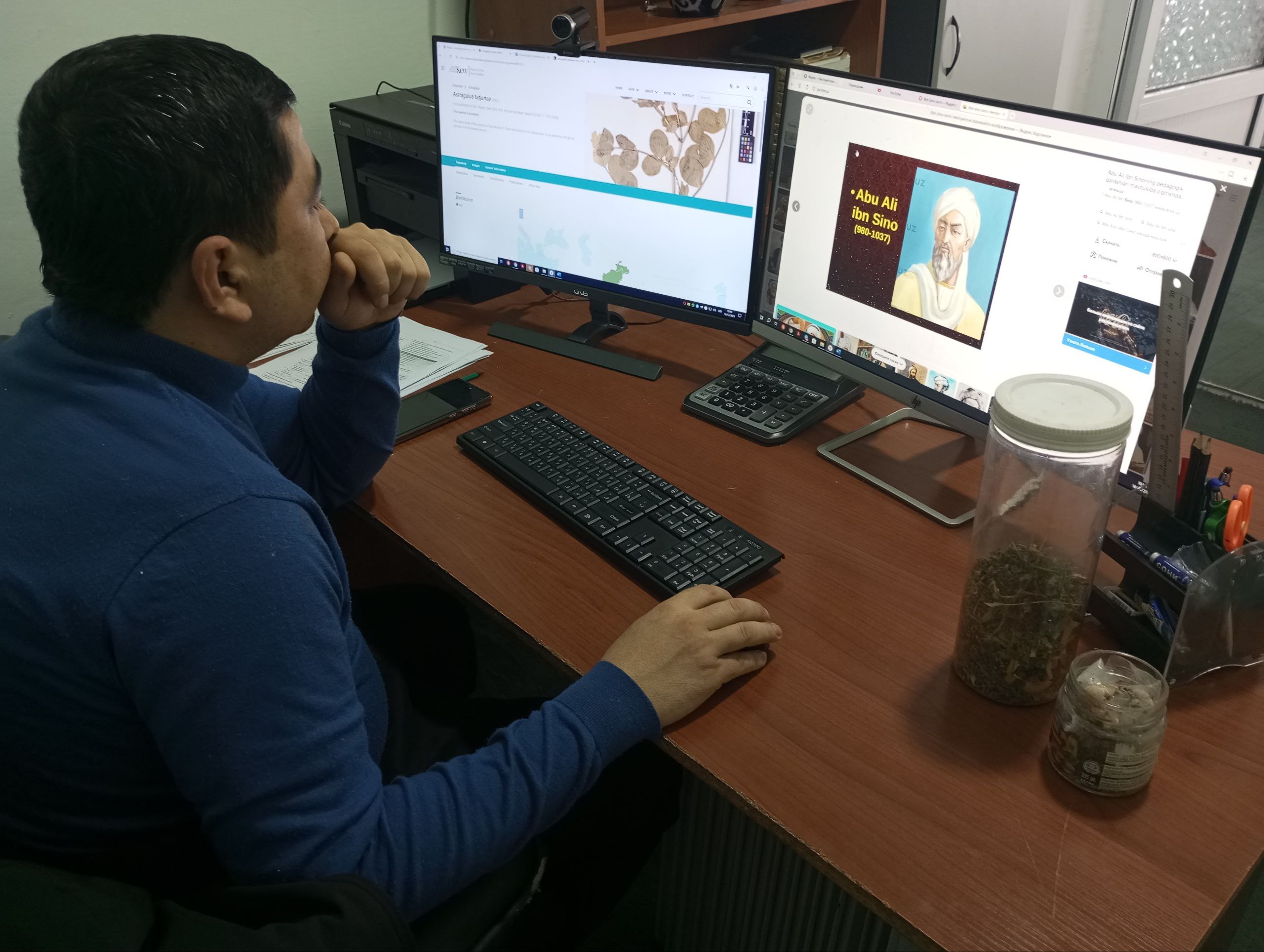
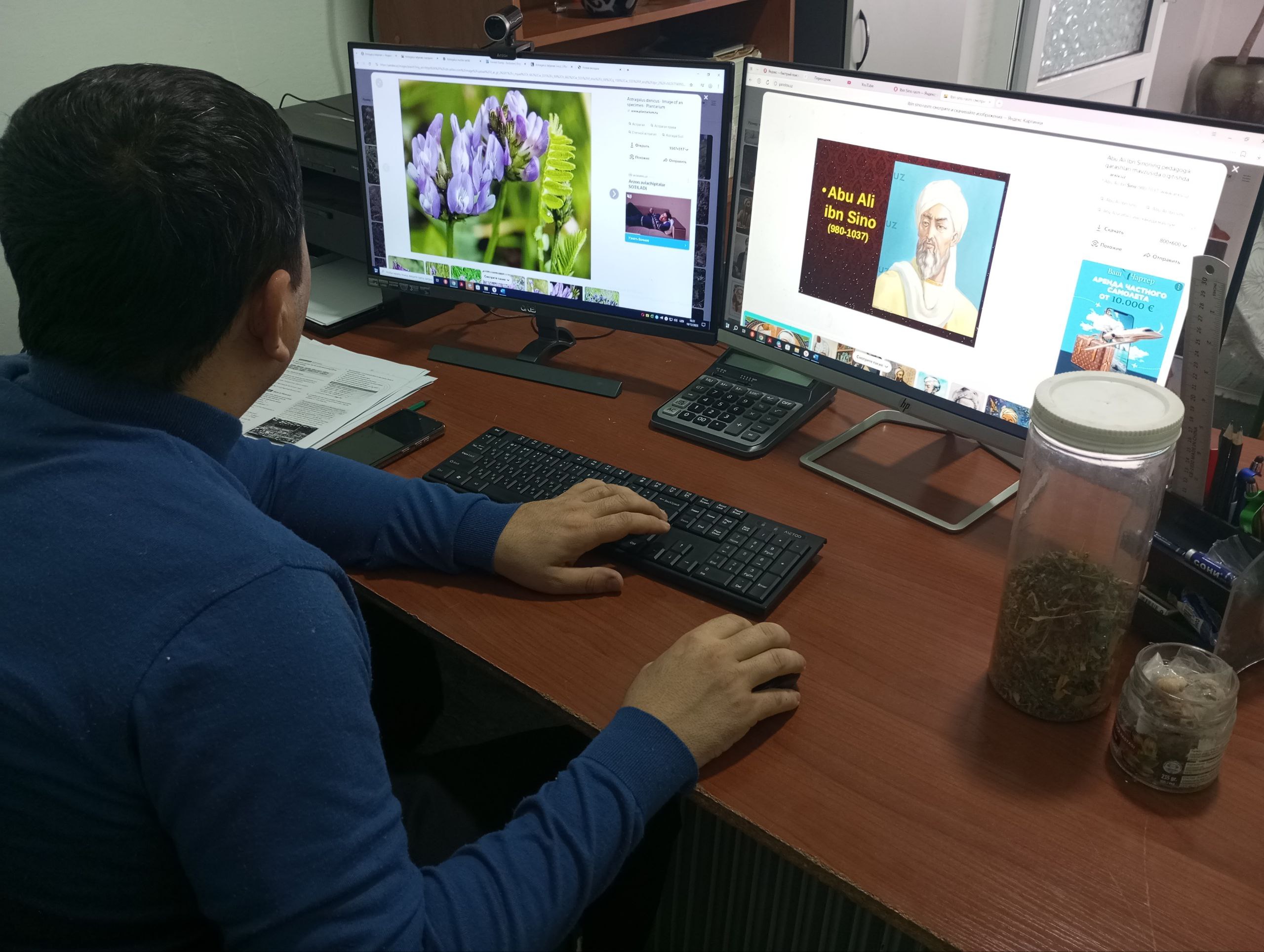
Great scientists from Uzbekistan - Abu Ali ibn Sina and Abu Rayhan Beruni - made an invaluable contribution to the development of the science of medicinal plants. More than 800 medicinal plants, animals, and minerals are described in Abu Ali ibn Sina's "Al-Qanun fi-t-Tibb" ("The Canon of Medicine"), and more than 1000 in Abu Rayhan Beruni's "Kitab as-Saydana fi-t-Tibb" ("The Book of Medicines in Medicine").Today, in the laboratory of introduction and agroecology of raw materials of the Tashkent Botanical Garden named after Academician F.N. Rusanov of the Academy of Sciences of the Republic of Uzbekistan, based on this scientific heritage, scientific research is being conducted on the conservation, introduction, and study of the bioecological properties of medicinal plants. Thanks to these works, the scientific heritage of our ancestors is widely promoted and contributes to the development of modern medicine and pharmaceuticals.