Galantamine from In Vitro Cultivated Plant Biomass.
Project Title:
Galantamine from In Vitro Cultivated Plant Biomass
Project Framework:
Implemented within the state-funded project IL-8624042533
“Production of biologically active substances from in vitro tissue cultures and regenerated plants of Ungernia victoris Vved. ex Artjush. for pharmaceutical applications”
Project Duration:
May 1, 2025 – April 30, 202
Funding:
Agency for Innovative Development under the Ministry of Higher Education, Science and Innovation of the Republic of Uzbekistan
Project Location:
Biotechnology Laboratory,
F.N. Rusanov Tashkent Botanical Garden,
Institute of Botany, Academy of Sciences of the Republic of Uzbekistan
Project MVP
MVP (Minimum Viable Product) is the earliest functional version of a technology that has already been validated in practice. It is not just a concept or hypothesis, but a working solution supported by laboratory experiments and reproducible data.
In our project, the MVP is a biologically validated platform for producing valuable natural compounds from plant cell cultures, eliminating the need for harvesting plants from the wild.
Technology Overview
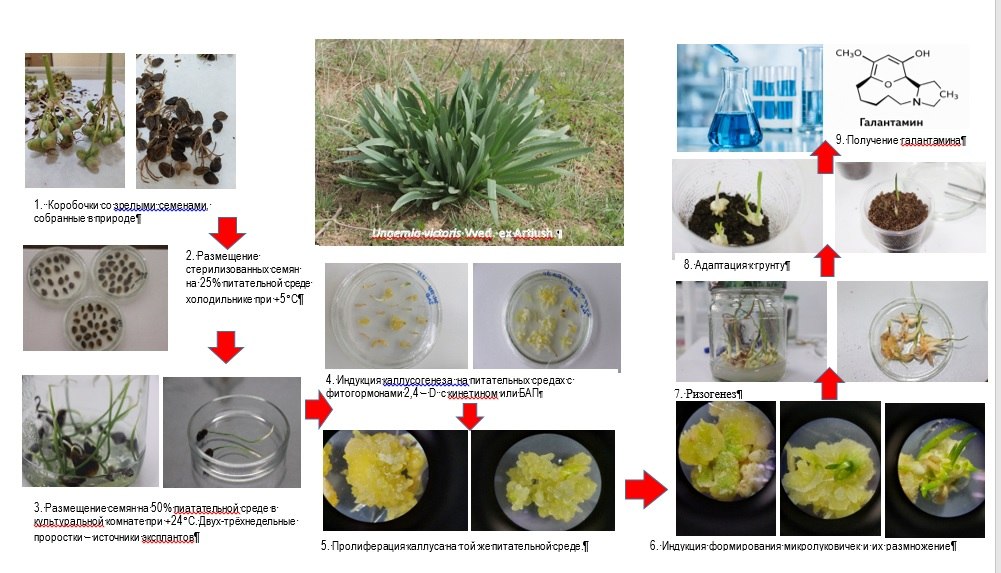
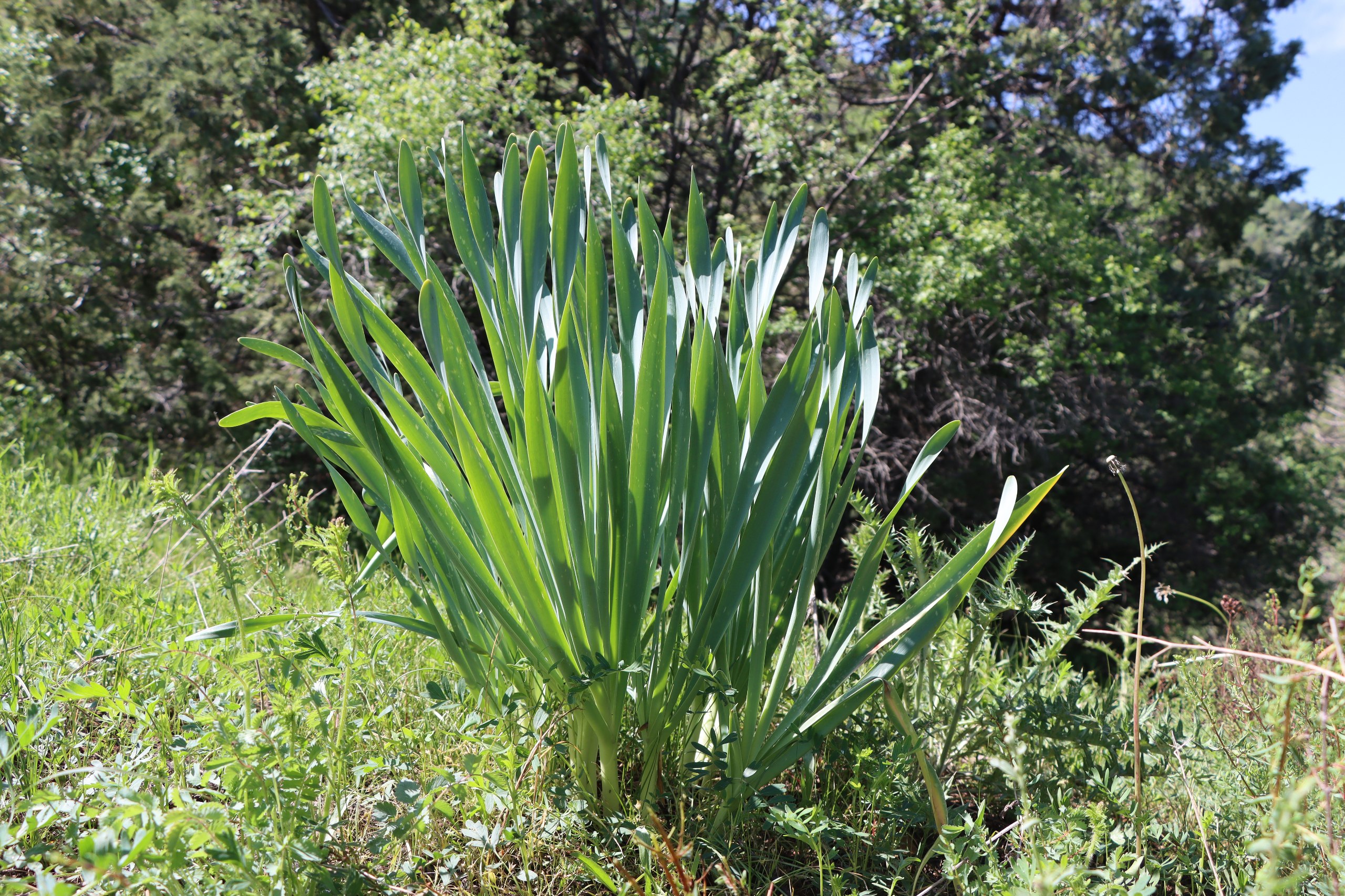
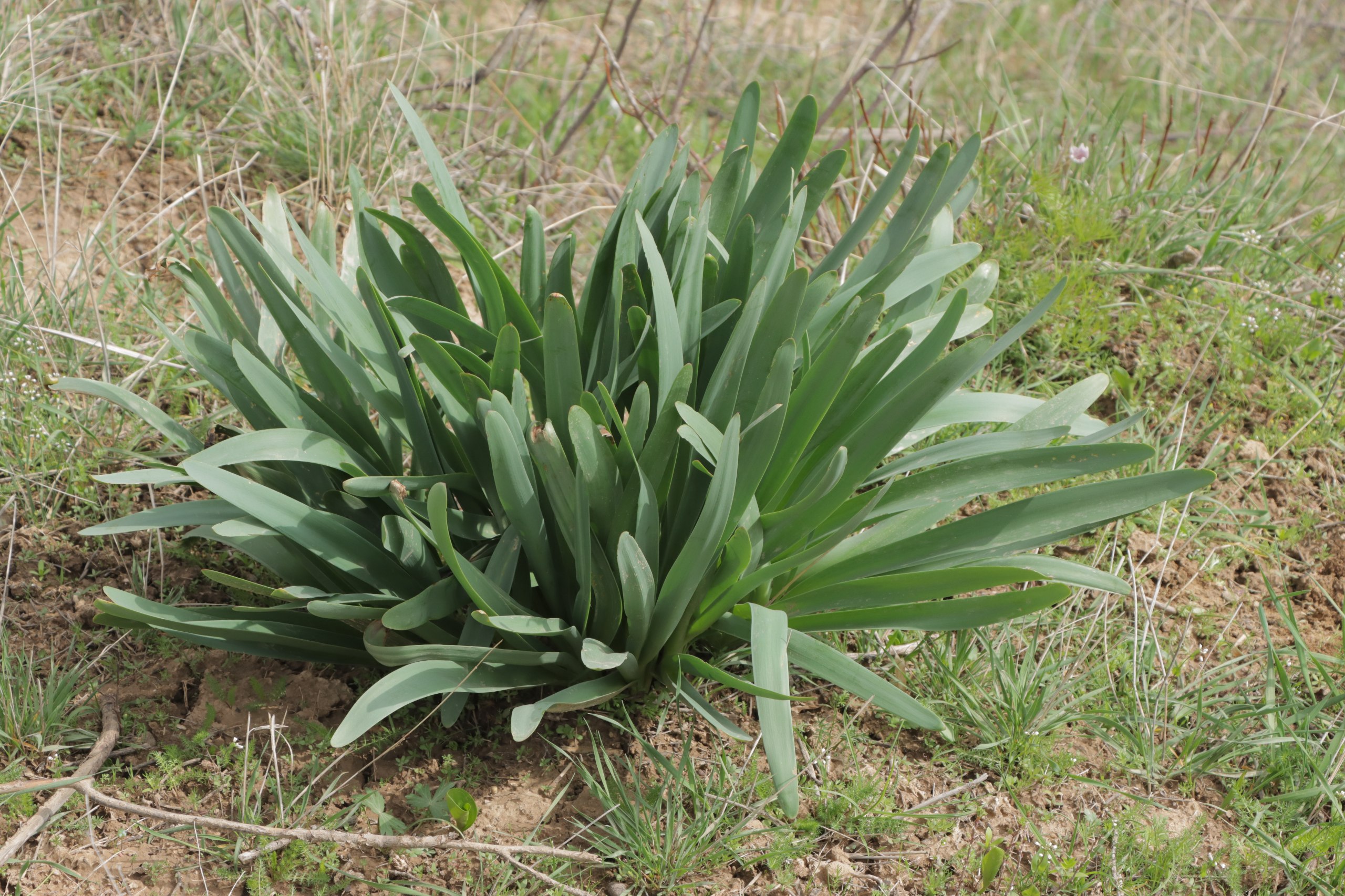
We have developed a method for obtaining biologically active compounds from the rare medicinal plant Ungernia victoris using plant cell biotechnology (in vitro techniques).
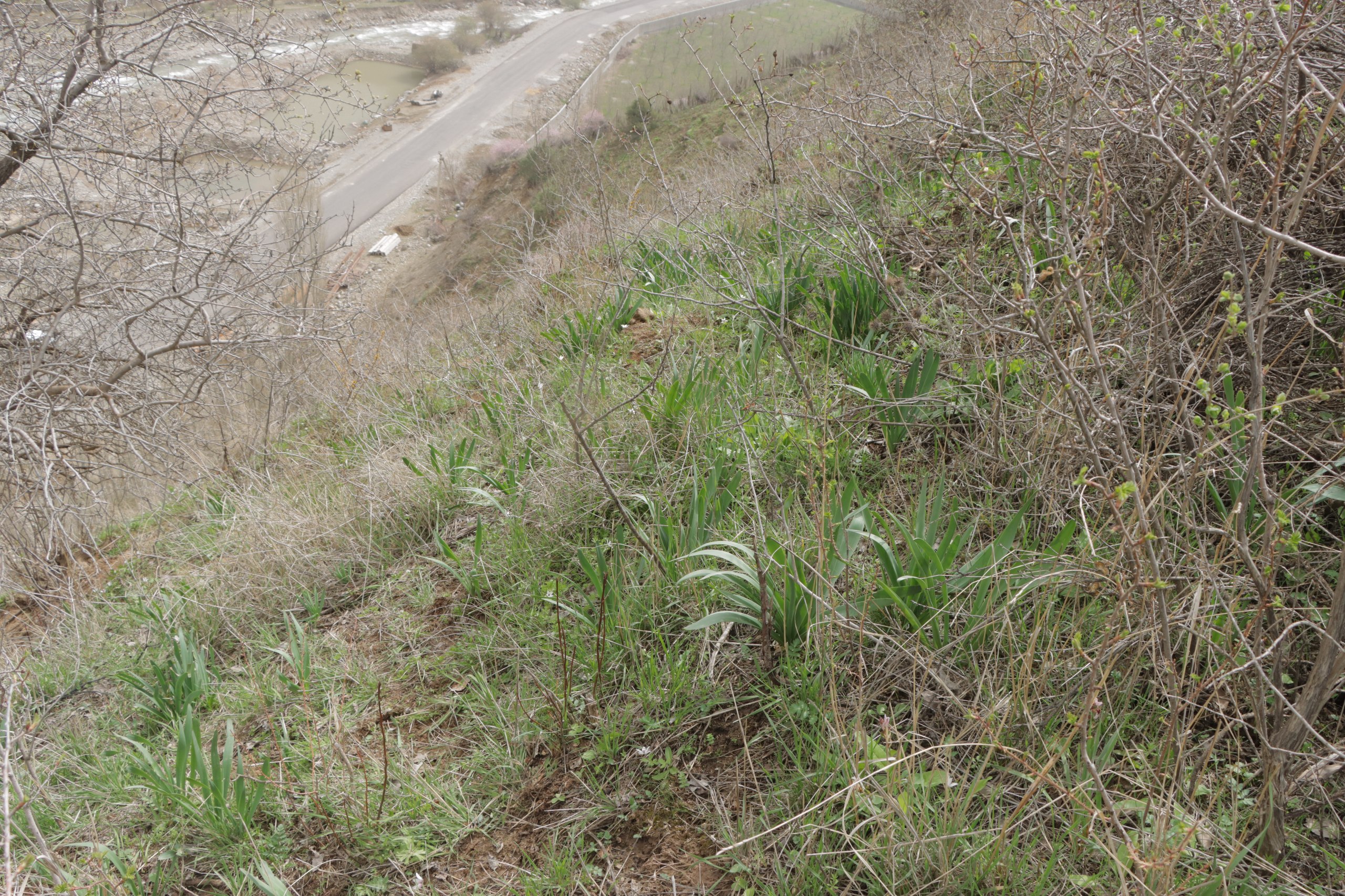
Instead of collecting plants from natural habitats, we cultivate plant cells under controlled laboratory conditions. This approach enables us to:
conserve rare and endangered plant species
ensure stable, year-round production of valuable compounds
control the quality and chemical composition of raw materials
enable scalability of production
What Has Been Achieved
At the current stage, the technology has been successfully validated in laboratory conditions:
✔ establishment of sterile in vitro cultures from plant material
✔ induction and maintenance of callus cultures
✔ regeneration of whole plants from callus tissues
✔ optimization of nutrient media and cultivation conditions
✔ stable production of plant biomass
✔ chemical analysis of the obtained material
✔ confirmation of biological activity
This demonstrates that the technology is not only developed, but also reproducible and reliable.
Why It Matters
Plants of the genus Ungernia are a valuable source of bioactive compounds, including substances used in pharmaceutical applications, particularly for the treatment of neurodegenerative diseases.
However, their natural populations are limited and vulnerable.
Our technology addresses two critical challenges:
1. Environmental: Reduces pressure on natural plant populations
2. Technological: Provides a stable and controlled source of raw materials for pharmaceutical and biotechnological industries
Next Steps
The current MVP serves as a foundation for further development:
scaling up the technology
transition to pilot and semi-industrial cultivation systems
development of laboratory and production protocols
establishment of a biotechnological production platform
Conclusion
Our MVP is no longer a concept, but a functioning scientific and technological platform that enables sustainable production of next-generation biologically active compounds.
Project Team
Project Leader:
Mustafina Feruza Usmanovna
Project Members:
Juraeva Khanifabonu Kobil kizi
Khazratov Abbos Tulkin ugli
Director of the Botanical Garden:
Abdinazarov Sodikjon Khaliknazarovich