Creating green spaces based on halophytes and ornamental plants in desert areas: scientific approach and practical experience
Within the framework of the National Strategy for Mitigating and Adapting to the Consequences of Climate Change, established by the Decree of the President of the Republic of Uzbekistan No. PF-106 dated July 23, 2024 and its Appendix 3, the nationwide project “Green Space” is being implemented in the regions. In accordance with paragraph 25 of the Roadmap of this document, the creation of parks consisting of dendrological and halophytic plants in desert areas is an important task.
In the context of climate change, the scientific selection and introduction of plant species adapted to saline and arid environments is of great importance in order to create sustainable green spaces in desert areas. Therefore, there is a growing need to analyze the results of previously conducted scientific research on plants growing in the desert areas of our republic and put them into practice.
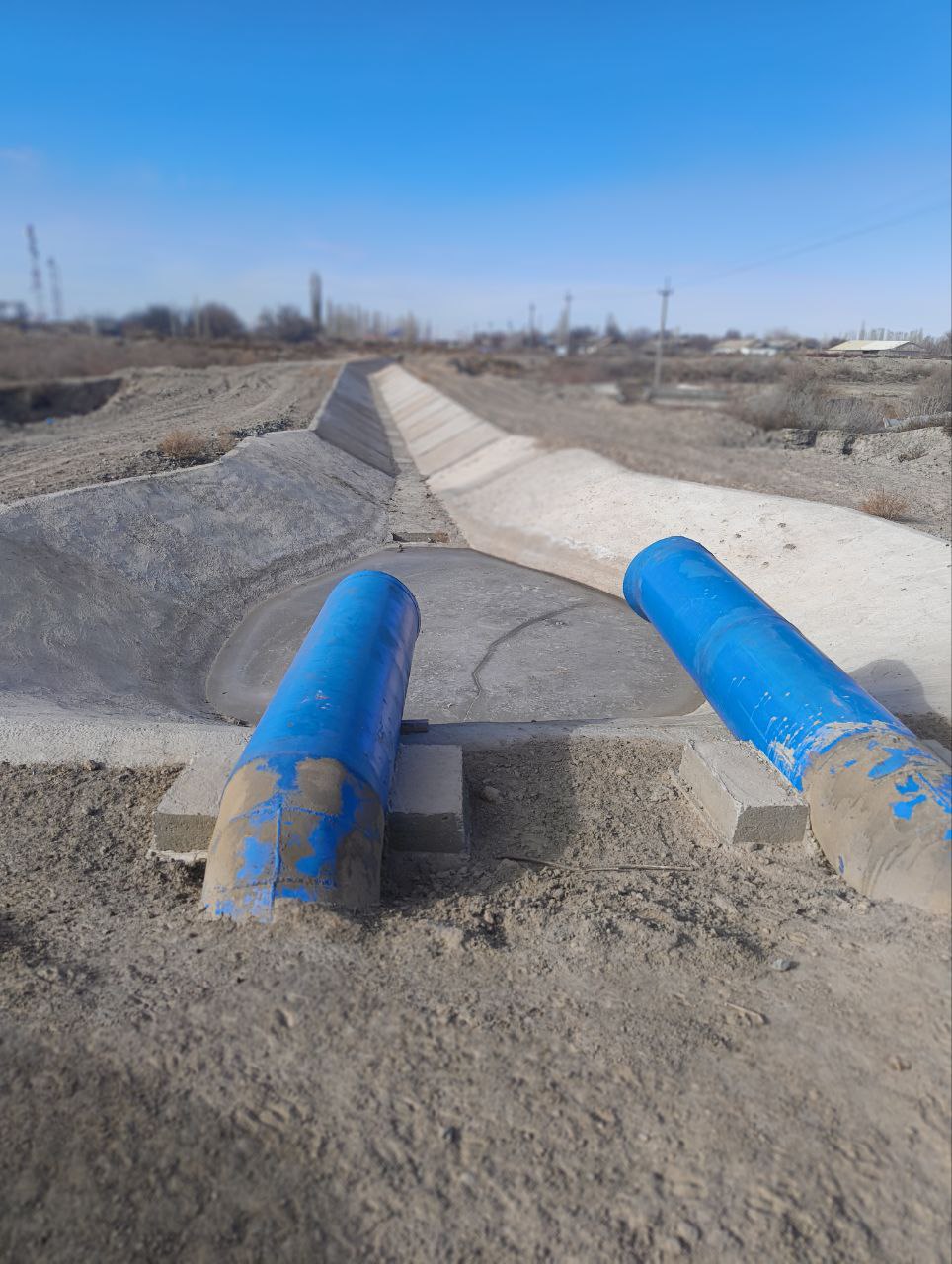
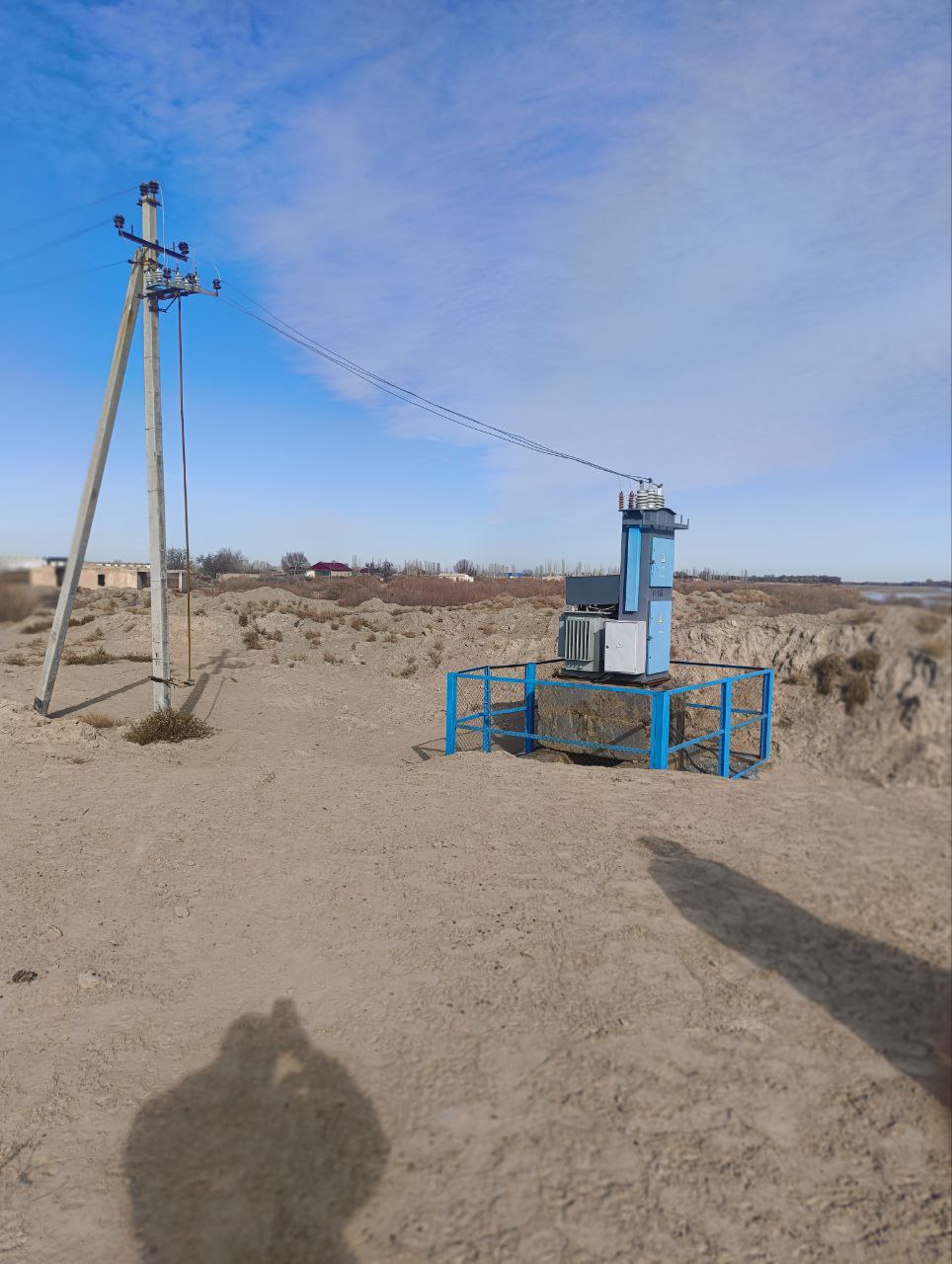
In order to implement these tasks, it is planned to expand the area of the Department of Cultivation of Ornamental Plants, located in the Muynak district of the Ellikkal'a branch of the Tashkent Botanical Garden. This will allow studying the adaptability of ornamental tree and shrub species in desert conditions, and assessing their ecological and aesthetic significance.
In this context, a specialist from the Tashkent Botanical Garden, Muhammad Rezo Bakhshi Abdul-Azizovich, visited the Muynak district of the Republic of Karakalpakstan on a business trip from January 21 to 26 of this year and studied the issue of allocating an additional 10 hectares of land to the department. Also, proposals were developed to use an additional 10 hectares of land to enrich the collection by supplying and planting seedlings, seeds and cuttings of ornamental tree and shrub species grown in the Tashkent Botanical Garden that are suitable for the natural and climatic conditions of the region.
Today, work in this area continues in a scientifically based, consistent and planned manner. The measures being implemented serve to preserve biodiversity in desert areas, ensure ecological stability, and create a green infrastructure that is resilient to climate change.